
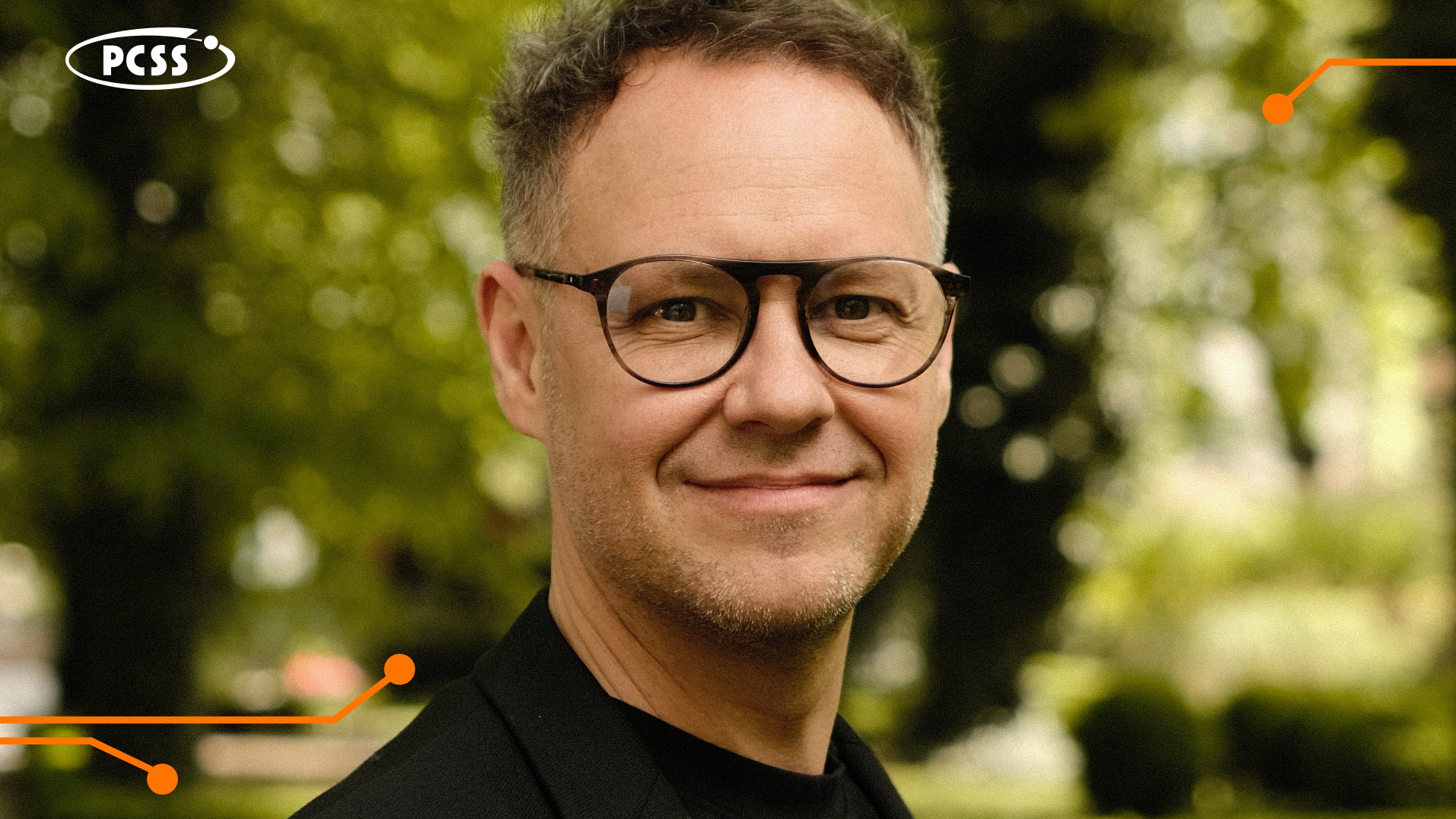
An interview with Michał Łakomski – the director of Director of Digitalization and Cybersecurity Office at the Poznań City Hall and Poznań Mayor’s Proxy for Smart City conducted by Magdalena Baranowska-Szczepańska.
MBS: The city of Poznań is becoming more and more innovative and intelligent. The idea of Smart City, which was implemented some years ago, has become the CityLab initiative. What does it mean in practice?
MŁ: CityLab is where business, science and local government meet to create solutions that later become alive in the city of Poznań. Thanks to this cross-sector cooperation, we strengthen the potential and resilience of our region’s economic environment. We are preparing projects in which artificial intelligence will be able to analyze traffic, public transport, and even our residents’ preferences in order to be able to respond to their needs instantly. What’s important, we operate in the field of secure technology, and thanks to the Poznań CityCloud platform and our cooperation with PCSS, data concerning the city’s residents is better protected. Recently, we have migrated the PEKA system infrastructure to the cloud. Thanks to the commitment of engineers on both sides, that was achieved without any service disruptions to the system, which was a matter of high importance, as it is used by thousands of residents on a daily basis. Within the Internet of Things framework, sensors monitor air quality, parking spaces, and road traffic. The data collected in this way helps to make important decisions and validate completed investments – such as bicycle counters that track the exact number of cyclists every day.
MBS: Since September, drivers who pay their personal income tax in Poznań have been paying less for parking. You simply add your car to the “OK Poznań” app and the discount is applied automatically. How does the differentiated parking zone work?
MŁ: More than 20 000 license plate numbers have already been added to the pool of cars eligible for discounted parking. In the Downtown Center Zone, Poznań residents pay 2 PLN less for every hour of parking. The new parking meters support contactless transactions, while popular mobile payment apps automatically apply the discounts. This isn’t just a price list change – it’s a step towards smart mobility powered by data, convenience, and benefits for residents.
MBS: The more technology we use, the more vulnerabilities that can be exploited emerge – I’m talking here about cyberattacks, which pose a major threat. Traffic management systems, street lighting, public transport, and water supply networks are all connected to the Internet, and that creates opportunities for cybercriminals…
MŁ: Fortunately Poznań is overseen by the Security Operations Center of our Digitization and Cybersecurity Office, which ensures system resilience. For us prevention is a key measure for collective safety. After all, every Internet user should know how to take care of their own security. That is why, alongside dedicated structures guarding our systems, we regularly publish accessible cybersecurity guides for residents on the city’s official websites.
MBS: What are the CityLab’s plans for the next twelve months?
MŁ: Poznań CityLab is growing dynamically, with more technology companies, representatives of Poznań universities, and scientific institutions joining the initiative. The Lab is becoming a space where new ideas meet practical application, and cross-partner collaboration results in tangible initiatives. A great example here is AMUai – a spin-off of Adam Mickiewicz University in Poznań that combines researchers’ passion for AI with over 20 years of experience in building and running tech companies. Currently, at CityLab we are working on a project to move the East Hall of the Poznań International Fair (MTP) into the metaverse – a virtual space that will serve as a sandbox for the Lab’s partners to test modern solutions tailored for Poznań residents. Within the Poznań CityLab, we are developing concepts based on AI, IoT, blockchain, and machine learning, while also running educational initiatives such as the „Innovators of Tomorrow” program for young people. Furthermore, collaborations under projects like RAPTOR allow us to test innovative transport solutions.